



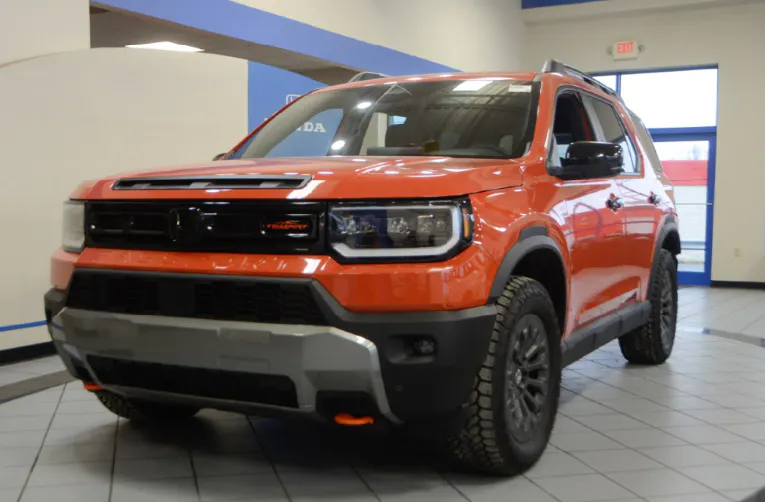
Honda Expands U.S. Manufacturing with Major Investments in Alabama and Ohio
Honda is doubling down on American manufacturing. As its Alabama Auto Plant celebrates 25 years of production, the automaker has announced a $462 million investment to expand production capabilities, introduce a new V6 hybrid engine assembly line, and create 200 new jobs. And Alabama isn’t the only state benefiting. Honda has also announced billions of dollars in additional investments across Ohio, signaling a major commitment to the future of American-built Honda vehicles.
For Honda drivers in Ohio and across the country, these investments could mean more hybrid options, expanded vehicle production, and continued advancements in the technology and manufacturing processes behind the vehicles they drive every day.
So, what exactly is Honda planning, why is it investing so heavily in U.S. manufacturing, and what does it mean for drivers shopping for their next Honda? Let’s take a closer look.
Honda Announces $462 Million Investment in Alabama Manufacturing Plant
On November 17, 2026, Honda announced a $462 million investment in its Alabama Auto Plant (AAP) in Lincoln, Alabama, coinciding with the facility’s 25th anniversary. The investment is designed to increase production of popular Honda vehicles, expand hybrid engine manufacturing, and give the facility greater flexibility to build multiple models on the same production lines.
The improvements include:
-
- A new assembly line dedicated to producing a next-generation V6 hybrid engine.
-
- Expanded engine production capabilities to support growing demand for electrified vehicles.
-
- Manufacturing line upgrades that will allow multiple vehicle models to be produced on the same line.
-
- Increased production flexibility and improved manufacturing efficiency.
-
- Approximately 200 additional jobs for Alabama workers.
This is a significant investment in a facility that already plays an important role in Honda’s North American manufacturing network. Since opening in 2001, the Alabama Auto Plant has produced more than 7 million vehicles and nearly 6.6 million V6 engines. Today, it employs more than 5,000 associates and has the annual capacity to produce 340,000 vehicles and 340,000 engines. The facility is also the exclusive global production home of several popular Honda models, including the Honda Pilot, Passport, Odyssey, and Ridgeline.
In other words, the Alabama plant is building vehicles for local, national, and global markets!
What Does Honda’s Alabama Investment Mean for American Drivers?
An investment in automotive manufacturing might sound like something that primarily benefits factories and their employees. However, improvements to manufacturing facilities can have a much wider impact on everyday vehicle owners. Honda’s Alabama expansion is particularly important because it focuses on increasing production flexibility and expanding hybrid engine capabilities.
Here’s how that could benefit drivers.
1. More Manufacturing Capacity for Popular Honda Models
When an automaker upgrades its production facilities, it can become better equipped to respond to changing customer demand. Honda’s investment will allow its Alabama plant to build multiple vehicle models on the same production lines. This flexibility can help Honda adjust production as demand changes between SUVs, minivans, trucks, and other vehicles.
For consumers, greater manufacturing flexibility may help Honda respond more efficiently to demand for popular models like the Pilot, Passport, Odyssey, and Ridgeline. It doesn’t guarantee shorter wait times or immediate increases in dealership inventory, but it does strengthen Honda’s ability to adapt its production network to what customers want.
2. More Hybrid Technology and Powertrain Options
One of the most interesting parts of Honda’s announcement is the investment in a new V6 hybrid engine assembly line. Hybrid vehicles are an important part of Honda’s future strategy. By expanding domestic hybrid engine production, Honda is positioning its U.S. manufacturing network to support more electrified vehicles.
For drivers, this could eventually translate into more hybrid choices across different vehicle sizes and categories. Hybrid technology can offer several everyday advantages, including:
-
- Improved fuel efficiency compared with comparable conventional gasoline vehicles
-
- Reduced fuel consumption during certain driving situations, particularly stop-and-go traffic.
-
- Less frequent trips to the gas station.
-
- The familiar convenience of a gasoline-powered vehicle without requiring owners to plug in a traditional hybrid.
Importantly, Honda’s announcement does not identify which specific future models will receive the new V6 hybrid powertrain. However, the investment demonstrates that Honda is preparing its manufacturing operations for the next generation of hybrid vehicles.
3. Continued Investment in American Jobs and Suppliers
Honda’s manufacturing investments also support the broader American economy. According to a new economic impact study, Honda generated an estimated $8.5 billion in economic output in Alabama during 2024.
When the economic activity of Honda’s Tier 1 suppliers is included, Honda-related operations supported an estimated:
-
- $11.7 billion in total economic output.
-
- Nearly 47,000 direct and indirect jobs.
-
- $2.4 billion in earnings.
These numbers show how one automotive manufacturing facility can support thousands of additional jobs throughout its surrounding communities. The same principle applies to Honda’s manufacturing operations in Ohio. When Honda invests in American facilities, it also supports the network of suppliers, logistics companies, manufacturing professionals, and local businesses that help keep production moving.
For consumers, a strong local manufacturing network can contribute to a more resilient supply chain and help Honda continue producing vehicles closer to the customers who purchase them.
Honda Is Investing Billions in Ohio: What Local Drivers Should Know
While the Alabama announcement is significant, Ohio drivers have another major reason to pay attention to Honda’s manufacturing strategy. On November 9, 2026, Honda announced plans to invest approximately $3 billion in a brand-new automotive manufacturing plant in Central Ohio.
The announcement is part of a much larger commitment to American manufacturing and hybrid vehicle production. The new facility will be Honda’s fourth auto assembly plant in Ohio and is expected to create more than 2,000 new American jobs.
Here are the most important details:
-
- Investment: Approximately $3 billion for the new Ohio automotive plant.
-
- Location: Central Ohio, between Honda’s existing Marysville and East Liberty manufacturing facilities.
-
- Expected production start: 2029, pending final government approvals.
-
- Annual production capacity: Approximately 240,000 vehicles.
-
- Vehicle capabilities: Gas-powered, hybrid-electric, and battery-electric vehicles.
-
- Employment: More than 2,000 new jobs associated with the new plant.
Once operational, the facility will help increase Honda’s total U.S. automotive production capacity to approximately 1.3 million vehicles annually. That’s a substantial commitment to Ohio and a strong indication that Honda sees the American market as an important part of its future.
Ohio’s Existing Honda Manufacturing Facilities Are Also Getting Upgrades
The new Central Ohio plant isn’t the only investment happening in the Buckeye State. Honda is also upgrading several existing Ohio manufacturing facilities to expand production of engines and hybrid powertrain systems.
Anna Engine Plant – Anna, Ohio
Honda’s Anna Engine Plant, the largest Honda engine manufacturing facility in the world, is undergoing production equipment upgrades. The facility is preparing to manufacture a next-generation four-cylinder Atkinson-cycle engine designed for future compact and midsize vehicles built in North America. Honda is also expanding an on-site parts consolidation center to improve logistics and support future production growth.
Honda Transmission Plant-Ohio – Russells Point, Ohio
Honda is retooling an existing production line at its transmission facility to support two next-generation hybrid systems. The project is expected to increase Ohio’s hybrid powertrain production capacity by approximately 250% in the coming years. These hybrid systems will support future Honda vehicles across multiple categories, including compact, midsize, and larger models.
Marysville Auto Plant – Marysville, Ohio
Honda’s Marysville facility has also been part of the company’s broader manufacturing modernization strategy. The plant has developed the flexibility to manufacture gasoline-powered, hybrid, and battery-electric vehicles on the same production line. This approach allows Honda to change production based on customer demand, rather than relying on entirely separate facilities for each powertrain type.
Together, these projects demonstrate that Honda’s investment in Ohio extends far beyond building one new factory. The company is strengthening an entire manufacturing network that includes vehicle assembly, engine production, hybrid technology, and research and development.
Why Is Honda Investing So Heavily in American Manufacturing?
Honda’s latest investments reflect a long-term strategy: build products closer to the customers who buy them. The United States is one of Honda’s most important automotive markets, and the company has spent decades developing its American manufacturing operations.
Honda began automobile production in the United States in 1982 at its Marysville, Ohio, facility. Since then, the company has expanded its manufacturing footprint to include vehicle assembly, engine production, transmission manufacturing, research and development, and battery-related operations.
Honda’s November 2026 announcements reinforce several important priorities.
Meeting growing demand for hybrid vehicles
Rather than focusing exclusively on fully electric vehicles, Honda is continuing to invest in hybrid technology. The company has identified hybrid vehicles as an important part of its future lineup, with plans to introduce 15 new Honda and Acura hybrid models globally by 2030. North America is expected to be a primary market for many of these vehicles.
Strengthening the American supply chain
Manufacturing vehicles closer to their intended markets can help automakers develop stronger regional supplier networks. Honda works with more than 750 original equipment suppliers throughout North America, supporting a large network of businesses involved in producing the parts and components used in its vehicles.
Preparing for changing consumer preferences
Not every driver is ready to transition to a fully electric vehicle. Some consumers prefer traditional gasoline engines, while others want the improved fuel efficiency of a hybrid. By investing in flexible manufacturing facilities, Honda can produce different powertrain types while responding to changes in consumer preferences and market conditions.
Maintaining long-term competitiveness
Honda’s manufacturing investments also support continued improvements in production technology, operational efficiency, and vehicle quality. The company’s goal is to maintain a strong manufacturing presence in North America while developing vehicles that meet the needs of future drivers.
What Does This Mean If You’re Shopping for a New Honda in Ohio?
For Ohio drivers, Honda’s latest announcements are encouraging news. The investments don’t mean that every Honda model will immediately receive a redesign or that dealership prices will automatically decrease. However, they do provide a clearer picture of where Honda is heading.
As manufacturing capacity expands and hybrid technology becomes a larger part of the lineup, drivers can look forward to potential benefits such as:
-
- More hybrid vehicle choices across different vehicle categories.
-
- Continued development of fuel-efficient powertrains.
-
- Increased flexibility in domestic vehicle production.
-
- Greater investment in American automotive technology and manufacturing.
-
- Continued support for the Honda brand and its North American dealer network.
And while some of the most significant changes are still several years away, Honda’s current lineup already offers drivers several ways to experience its latest engineering and technology.
Whether you’re interested in the fuel efficiency of a Honda Civic Hybrid, the versatility of a CR-V Hybrid, or the comfort and capability of a Honda Accord Hybrid, there are options worth exploring today. You don’t have to wait until 2029 to experience what Honda has to offer.
The Future of Honda: American Manufacturing With Drivers in Mind
Honda’s $462 million investment in Alabama and its multibillion-dollar commitment to Ohio are part of a broader strategy to strengthen American manufacturing, expand hybrid technology, support American jobs, and prepare for the next generation of vehicles.
For 25 years, Honda’s Alabama Auto Plant has helped produce some of the most recognizable vehicles in the Honda lineup. Meanwhile, Ohio continues to play a major role in Honda’s North American operations, with new facilities and upgrades positioning the state for decades of future automotive production.
For drivers, the biggest takeaway is simple: Honda is continuing to invest in the vehicles, technology, and manufacturing capabilities that will shape its future in the American market. And that’s something worth paying attention to whether you’re already a Honda owner or considering one for your next vehicle.
Ready to Find Your Next Honda?
At Diehl Honda of Massillon, we’re excited to see what Honda’s continued investment in American manufacturing means for the future of the brand. Whether you’re interested in a fuel-efficient hybrid, a versatile SUV, a comfortable sedan, or a capable Honda truck, our team is here to help you explore your options.
Browse our latest Honda inventory, learn more about available hybrid models, or schedule a visit with our team to find the right Honda for your lifestyle.
Honda’s future is being built right here in America. Come see what you can drive today!
Shop New Honda Inventory | Explore Honda Hybrids | Contact Our Team | View Monthly Specials | Value Your Trade
Frequently Asked Questions About Honda’s U.S. Manufacturing Investments
How much is Honda investing in its Alabama manufacturing plant?
Honda announced a $462 million investment in its Alabama Auto Plant in November 2026. The investment will expand production capabilities, support a new V6 hybrid engine assembly line, and create approximately 200 new jobs.
What Honda vehicles are made in Alabama?
Honda’s Alabama Auto Plant in Lincoln manufactures the Honda Pilot, Passport, Odyssey, and Ridgeline. It is the exclusive global production location for these models.
Is Honda building a new factory in Ohio?
Yes. Honda announced plans in November 2026 to invest approximately $3 billion in a new Central Ohio automotive manufacturing facility. The plant is expected to begin production in 2029, pending final government approvals, and will have the capacity to produce approximately 240,000 vehicles annually.
Is Honda expanding its Ohio manufacturing operations?
Yes. In addition to the new Central Ohio plant, Honda is upgrading its Anna Engine Plant and Honda Transmission Plant-Ohio. These improvements will support next-generation engines and hybrid powertrain systems. Honda also continues to invest in flexible manufacturing capabilities at its existing vehicle assembly facilities.
Will Honda make more hybrid vehicles in the United States?
Honda is expanding its U.S. hybrid manufacturing capabilities, including engine and hybrid system production in Ohio and Alabama. The company plans to introduce 15 new Honda and Acura hybrid models globally by 2030, with North America expected to be a primary market for many of them.
Will Honda’s American manufacturing investments make vehicles cheaper?
Not necessarily. Increased manufacturing capacity and improved production efficiency may help Honda respond to demand and strengthen its supply chain, but vehicle pricing is influenced by many factors, including materials, labor, technology, transportation, and market conditions.
Are Honda vehicles made in America?
Yes. Honda has manufactured automobiles in the United States since 1982 and operates multiple automotive and powertrain manufacturing facilities across North America. Many Honda and Acura vehicles sold in the United States are manufactured in North America using domestic and globally sourced parts.
Why is Honda investing in U.S. manufacturing instead of building more vehicles overseas?
Honda’s strategy focuses on building vehicles closer to its customers. Investing in American manufacturing helps the company strengthen its regional supply chain, support local employment, respond to customer demand, and develop production capabilities for future gasoline and hybrid vehicles.