



Ditch the Pumps- Save Money and go Electric!
With gas prices soaring ever higher, many drivers are starting to turn to electric vehicles to avoid spending an arm and a leg at the pumps. EVs and hybrid vehicles have become more popular in recent years, offering better fuel efficiency and lower emissions to their drivers. But what’s the difference between the two? We at Diehl Honda of Massillon are here to answer any questions you might have about EVs so you can pick the best model for your lifestyle!
What Is an Electric Vehicle (EV)?
An electric vehicle (EV) runs entirely on electricity. Instead of a gasoline engine, EVs use a battery-powered electric motor.
How EVs Work
- Powered by a large rechargeable battery
- No gasoline required
- Charged via home chargers or public charging stations
- Regenerative braking helps recharge the battery while driving
Benefits of Electric Vehicles
- No gas costs: Say goodbye to trips to the pump
- Lower maintenance: Fewer moving parts than traditional engines
- Zero tailpipe emissions: Better for the environment
- Quiet, smooth ride: Instant torque and minimal noise
Honda Prologue (EV)
The Honda Prologue is Honda’s all-electric SUV designed for modern drivers transitioning to electric mobility. It offers:
- An estimated range of over 300 miles on a full charge
- Fast-charging capability for convenient road trips
- A spacious, tech-forward interior
The Prologue is perfect for drivers ready to fully embrace an electric lifestyle while enjoying the comfort and reliability Honda is known for.
What Is a Hybrid Vehicle?
A hybrid vehicle combines a traditional gasoline engine with an electric motor. It automatically switches between, or blends, both power sources to maximize efficiency.
How Hybrids Work
- Uses both gasoline and electricity
- Battery charges itself through regenerative braking and the gas engine
- No need to plug in (for standard hybrids)
Benefits of Hybrid Vehicles
- Better fuel economy: Fewer stops at the gas station
- Lower emissions than gas-only vehicles
- No charging required: Great for drivers not ready for full EVs
- Smooth transition between electric and gas power
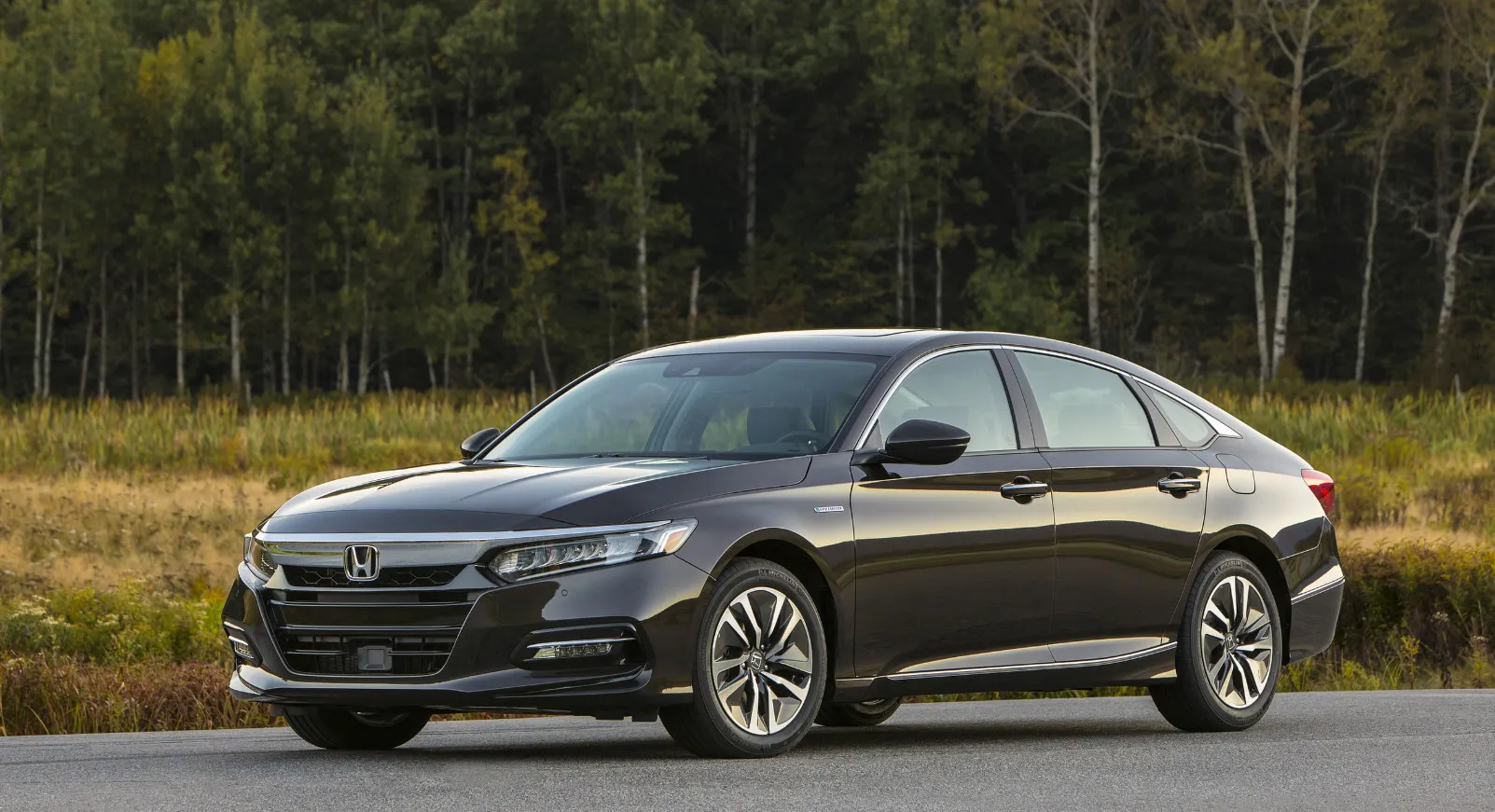
Example: Honda Accord Hybrid
The Honda Accord Hybrid is a standout sedan that blends performance with efficiency. It features:
- Exceptional fuel economy (often over 40 MPG combined)
- A responsive, quiet drive powered by its electric motor at lower speeds
- Advanced safety and driver-assist technologies
It’s an excellent option for commuters who want to save on fuel without changing their driving habits.
EV vs. Hybrid: Key Differences at a Glance
| Feature | Electric Vehicle (EV) | Hybrid Vehicle |
|---|---|---|
| Power Source | 100% Electric | Gas + Electric |
| Fuel Required | No Gasoline | Gasoline required |
| Charging | Plug-in required | Self-charging (no plug-in) |
| Emissions | Zero tailpipe emissions | Reduced emissions |
| Range | Depends on battery | Extended with gas engine |
Why Now Is the Time to Go Electric
With fuel prices fluctuating and often rising, EVs are becoming an increasingly smart investment. Here’s why more drivers are making the switch:
- Long-term savings: Electricity is typically cheaper than gasoline
- Less Maintenance: Electric vehicles require less routine maintenance
- Government incentives: Potential tax credits and rebates
- Expanding charging infrastructure: More stations than ever before
- Future-forward driving: EV technology continues to improve rapidly
Even if you’re not ready to go fully electric, hybrids offer a practical step toward better efficiency and reduced fuel costs.
Find the Right Honda for You
Whether you’re considering a fully electric SUV like the Honda Prologue or a fuel-efficient hybrid like the Honda Accord Hybrid, our dealership is here to help you explore your options.
Visit Diehl Honda today to test drive the latest Honda models and discover how you can save money, reduce emissions, and enjoy a smarter driving experience.